

Resources
The First 90 Days of an Outsourced App Build

To outsource app development well, focus on the first 90 days. That period sets the working rhythm, defines what will be built and produces the first working software, so it reveals early whether the partnership is healthy. Here is what each month should look like.
Days 1 to 30: discovery and alignment
The first month is about understanding. Your partner interviews your stakeholders, learns about your users and maps the core workflow of the app. By the end of the month you should have a defined first release, a feature level estimate and a timeline you approve. Our article on what a product discovery phase delivers explains this step in detail.
This is also when working habits form. Agree on a weekly check in, a shared channel for questions and a single decision maker on your side. Grant access to existing systems, analytics and brand assets early, since waiting on credentials is one of the most common and most avoidable delays in an outsourced project.
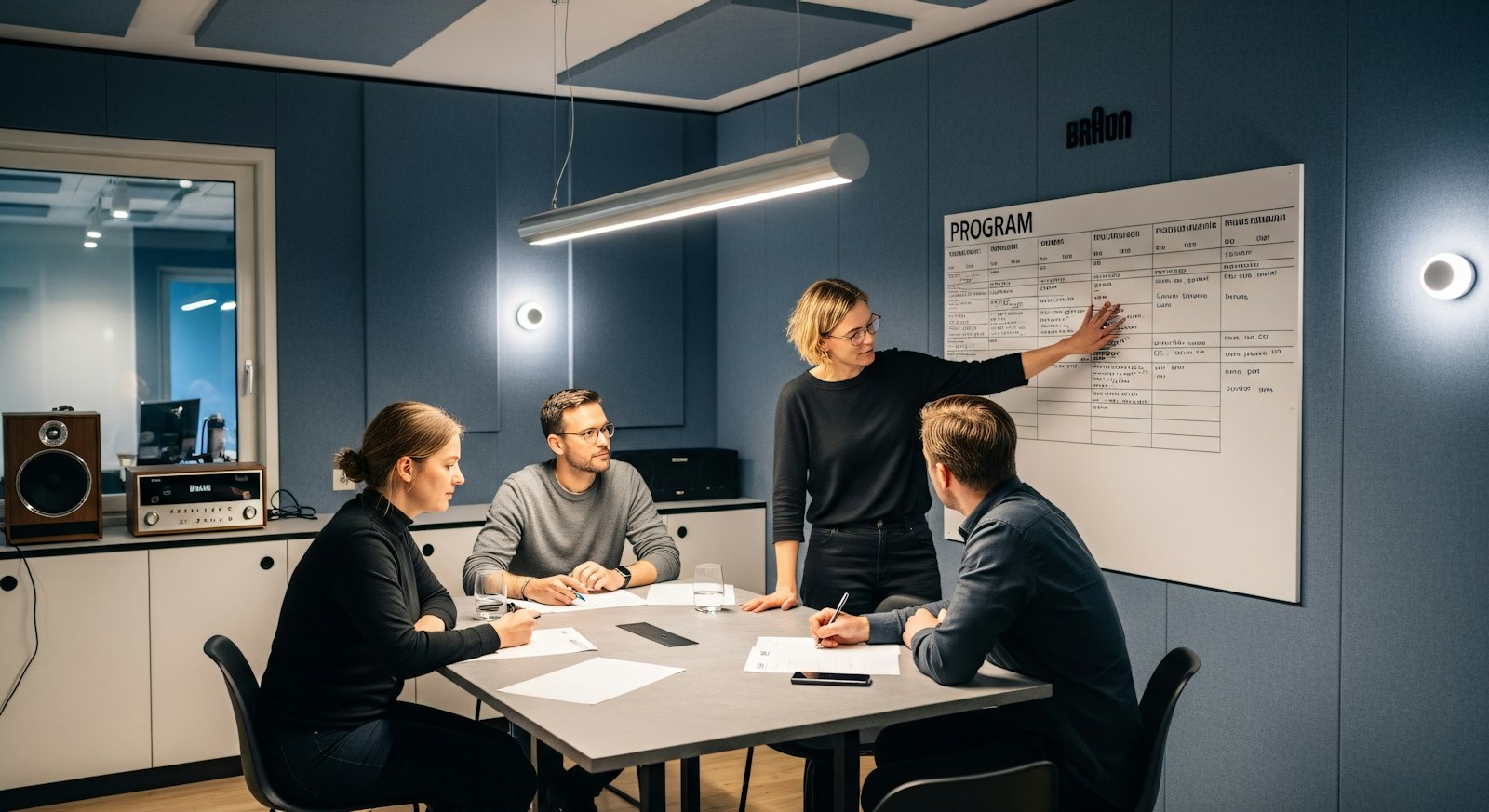
Days 31 to 60: design and architecture
Designers turn the workflow into wireframes and then into a clickable prototype that you can put in front of real users. Meanwhile, the technical lead plans the architecture, chooses the stack and sets up environments, version control and automated testing. Feedback during this month is cheap, and changes later are not, so spend time with the prototype.
Days 61 to 90: the first development sprints
Development begins in short sprints, typically one or two weeks long, each ending with a demo. By day 90 you should be using real, working features, even if the app is not complete. Every change request should come with an estimate before it is accepted. Testing should already be running too, with bugs tracked in the same backlog as features so you can see the real state of the product.

Signs the outsourced build is healthy
Healthy projects show working software at every demo, keep a backlog you can see and raise risks before they become delays. A named project manager who answers quickly is one of the strongest signals. Our page on app development outsourcing describes how Tepia structures these engagements, and the dedicated team versus project based comparison helps you choose the right arrangement.
Setting up to outsource app development successfully
Companies that outsource app development successfully stay close to the work in the first 90 days, answer questions quickly and judge progress by working software. Choosing a partner in compatible time zones makes that easier, which is why many US companies prefer nearshore teams that work US hours. If you are planning an outsourced build, talk to Tepia.